
 By
By 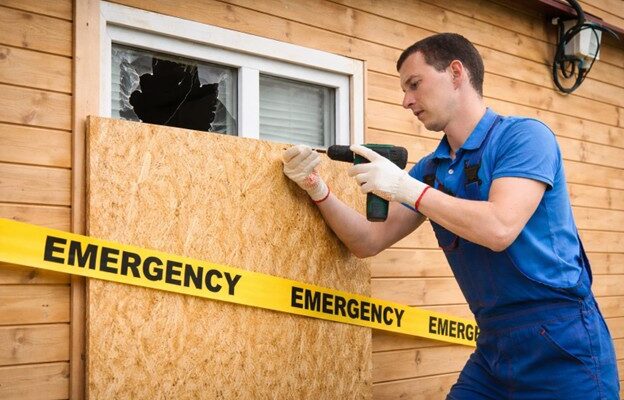
Storm damage, vandalism, or a sudden accident can leave a building exposed within minutes. Knowing when urgent protection is required helps property owners act fast, limit losses, and stay compliant. This guide explains when emergency boarding is necessary, how it works, and what practical steps you should take next.
Nothing is more stressful than unexpected damage to your property. A shattered window, a damaged door, or any exposed opening can instantly leave a building vulnerable. Security risks rise, weather can cause rapid internal damage, and even minor issues can escalate if left unprotected. The uncertainty of what to do next often adds to the pressure property owners face in these situations.
In these critical moments, emergency boarding up provides an immediate and practical solution. By securing exposed areas quickly, it helps prevent further damage, deters unauthorised access, and creates a safe buffer while longer-term repairs are arranged. Understanding when this step is essential, how the process works, and what actions to take straight away allows property owners to respond with confidence and protect their property effectively.
How Emergency Boarding Up Works
Emergency boarding up is a temporary security measure used to seal broken or vulnerable openings in a building. It typically involves fitting strong boards over windows, doors, or access points to prevent entry and shield the interior from rain, wind, and debris.
This is not a repair. Instead, it is a short-term solution designed to stabilise a situation after sudden damage. By securing the property quickly, owners can avoid compounding problems while assessing next steps.
When Is Emergency Boarding Up Required?
Damage that compromises a building’s security or weather resistance often requires immediate action. The most common situations include sudden external impact, structural failure, or incidents that leave openings exposed.
● Sudden Structural Damage
Severe weather, falling debris, or accidents can crack glass or damage frames without warning. Once an opening is exposed, moisture and wind can enter freely, accelerating internal damage.
● Security Breaches
Any situation where doors or windows are forced open creates a clear security risk. Boarding up restores a physical barrier and deters opportunistic entry until permanent fixes are made.
● Fire or Heat Damage
Even when flames do not spread far, heat can weaken glass and frames. Boarding prevents collapse, protects the interior, and supports follow-up inspections.
● Vacant or Unoccupied Properties
Empty buildings are more vulnerable after damage. Temporary boarding reduces the risk of trespass while ownership or repair decisions are being made.
Why Speed Matters After Property Damage
Delaying action can significantly increase repair costs. Water ingress, for example, can damage flooring, electrics, and internal finishes within hours. Similarly, unsecured buildings can attract unwanted attention.
Quick boarding helps property owners:
- Limit secondary damage
- Reduce insurance complications
- Demonstrate responsible property management
In many cases, insurers expect reasonable steps to be taken to secure a damaged building. Boarding up is often viewed as a practical and proportionate response.
The Process: What Happens During Emergency Boarding?
While methods can vary depending on the building type and damage level, the overall process follows a clear sequence.
Assessment
The damaged area is checked to identify all vulnerable points. This ensures no secondary openings are overlooked.
Material Selection
Boards are chosen based on size, exposure, and risk level. Strong, weather-resistant materials are used to provide stability without causing further damage.
Secure Installation
Boards are fitted carefully to avoid stress on existing frames. Fixings are placed to hold firm but allow later removal without unnecessary harm.
Temporary Protection
Once installed, the boarding acts as a physical shield until glazing or structural repairs can be scheduled.
This controlled approach ensures safety while keeping the property accessible for authorised inspections.
Legal and Insurance Considerations
Property owners often ask whether boarding up is optional. In practice, it is closely linked to legal and insurance responsibilities.
Unsecured properties can pose risks to the public. Falling glass, sharp edges, or easy access may create safety hazards. Taking swift protective measures reduces liability concerns.
From an insurance perspective, failing to secure damage promptly can complicate claims. Many policies require owners to prevent avoidable losses. Boarding up demonstrates reasonable care and can support smoother claim handling.
Temporary Boarding Versus Permanent Repairs
It is important to understand the distinction between immediate protection and long-term restoration.
Temporary boarding:
- Secures the building quickly
- Prevents further exposure
- Allows time for surveys and quotes
Permanent repairs:
- Restore full function and appearance
- May involve custom materials or approvals
- Take longer to plan and complete
Boarding bridges this gap. It stabilises the situation so decisions can be made without pressure.
Mid-Process Check: What Property Owners Should Prioritise
Once the property is secured with emergency boarding up, owners should take a structured approach to next steps. Rushing repairs without assessment can lead to mismatched materials or repeat work.
After boarding is in place, focus on:
- Inspecting surrounding structures for hidden damage
- Documenting the condition for records
- Planning repairs in a logical order
This pause is not a delay. It is a way to ensure repairs are appropriate and lasting.
Actionable Tips for Property Owners
After damage occurs, clear thinking helps prevent mistakes. The following points provide practical guidance.
- Act quickly but calmly
Secure the property first. Detailed decisions can follow once risks are controlled. - Check all access points
One broken window may indicate stress elsewhere. Ensure no secondary gaps are left open. - Keep documentation
Photographs and notes help with insurance discussions and repair planning. - Avoid makeshift fixes
Temporary solutions should still be robust. Poor materials can fail under weather pressure. - Plan repairs early
Use the boarding period to arrange surveys, quotes, and timelines.
These steps help maintain control during an otherwise disruptive situation.
Myths That Stop Owners From Acting Fast Enough
Some property owners hesitate because of misconceptions. Clarifying these points can make decisions easier.
“Boarding Will Cause More Damage”
When installed correctly, boards are fixed in a way that minimises impact on existing frames. Any minor fixing points are usually addressed during final repairs.
“It Looks Alarming”
While boarding is visible, it signals that the property is being managed. This can deter interference rather than invite it.
“It Is Only for Severe Damage”
Even moderate openings can allow water and pests inside. Boarding is about prevention, not just reaction.
How Long Should Boarding Remain in Place?
There is no fixed timeframe. Boarding should remain until permanent repairs fully restore security and weather resistance.
Factors influencing duration include:
- Availability of materials
- Weather conditions
- Approval processes for certain properties
Regular checks ensure boards remain secure and effective while in place.
Preparing for the Unexpected
No property owner expects sudden damage, yet preparation makes response easier. Understanding the purpose and process of boarding allows quicker decisions when time matters most.
Knowing who to contact, what steps to take, and why temporary protection matters reduces stress and limits disruption.
Frequently Asked Questions
What situations require emergency boarding up?
Emergency boarding up is required when a property’s security or weather resistance is compromised. This includes broken windows, damaged doors, fire-related exposure, or structural impact. Any opening that allows unauthorised access or water ingress should be secured promptly to prevent further damage and reduce safety risks.
Is emergency boarding up a permanent solution?
No. Boarding up is a temporary protective measure designed to stabilise a property after sudden damage. It prevents immediate risks while allowing time for inspections, insurance processes, and planned repairs. Permanent restoration should always follow once conditions allow.
How quickly should boarding be installed after damage?
Boarding should be installed as soon as practicable after damage occurs. Delays can lead to secondary issues such as internal water damage, theft, or safety hazards. Acting quickly helps limit losses and demonstrates responsible property management.
Will boarding up affect insurance claims?
In most cases, securing a damaged property supports an insurance claim rather than harming it. Insurers often expect property owners to take reasonable steps to prevent further loss. Prompt boarding shows that appropriate action was taken to protect the building.
How long can temporary boarding remain in place?
There is no fixed timeframe. Boarding should remain until permanent repairs fully restore security and protection from the elements. The duration depends on factors such as repair planning, material availability, and weather conditions. Regular checks are advised while boarding is in place.
Final Thoughts
Sudden damage to a building places property owners under immediate pressure to act. Exposed windows, doors, or structural openings can quickly lead to further deterioration, safety concerns, and avoidable financial loss. In these moments, the priority is not restoration but control. Securing the site promptly stabilises the situation, protects occupants and the public, and prevents secondary damage while informed decisions are made.
Temporary protective measures should always be viewed as part of a wider response plan. Once a property is secured, owners are in a stronger position to assess the full extent of damage, engage insurers, and plan permanent remedial work without urgency-driven mistakes. This structured approach supports better outcomes, clearer communication, and more cost-effective repairs in the long term.
Ultimately, emergency boarding up is a practical and responsible step that demonstrates due care for the property, its surroundings, and all parties involved. When used correctly, it reduces risk, limits disruption, and provides the essential time needed to restore a building safely and properly.





Comments