
 By
By 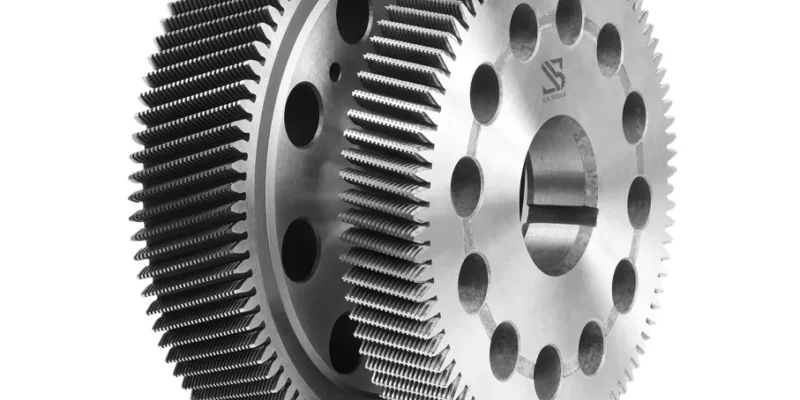
The success of gear manufacturing depends heavily on the quality and condition of the cutting tools used throughout the production process. Industries such as automotive, aerospace, industrial machinery, and power generation require gears with exceptional precision to ensure efficient performance and long service life.
Two critical factors that significantly influence manufacturing outcomes are advanced gear shaving cutter design and proper hob resharpening practices. While well-designed shaving cutters improve gear finishing quality, timely hob maintenance helps maximize productivity and extend tool lifespan.
As a trusted provider of gear cutting solutions, SS Tools supports manufacturers with precision-engineered tools and expertise that contribute to consistent and reliable production results.
Understanding Gear Shaving Cutters
Gear shaving is a finishing process performed after gear cutting and before heat treatment. It refines the gear tooth profile by removing minor imperfections, enhancing surface finish, and improving overall gear accuracy.
The effectiveness of this process depends greatly on the quality of the gear shaving cutter design used during production.
Why Gear Shaving Cutter Design Matters
A well-developed gear shaving cutter design directly affects the efficiency and quality of the gear finishing process.
Improved Gear Accuracy
Precision-designed shaving cutters help correct minor profile deviations, ensuring optimal gear meshing and performance.
Superior Surface Finish
Advanced cutter geometry contributes to smoother tooth surfaces, reducing friction during operation.
Reduced Noise and Vibration
Accurately finished gears operate more quietly and efficiently.
Enhanced Gear Durability
Improved tooth contact patterns distribute loads more evenly, extending gear life.
Higher Production Efficiency
Optimized cutter designs support faster finishing operations with consistent results.
Key Elements of Effective Gear Shaving Cutter Design
Several factors influence the performance of shaving cutters.
Tooth Geometry
The cutter profile must be precisely engineered to achieve the desired gear specifications.
Material Selection
High-quality materials ensure durability and resistance to wear.
Manufacturing Precision
Strict dimensional tolerances contribute to consistent finishing performance.
Surface Treatments and Coatings
Advanced coatings can improve wear resistance and enhance tool life.
Application-Specific Customization
Different gear types may require specialized cutter configurations.
By focusing on these factors, manufacturers can improve both gear quality and production efficiency.
Understanding Hob Resharpening
Gear hobs are among the most widely used cutting tools in gear manufacturing. Over time, repeated use causes wear that affects cutting performance and gear accuracy. Instead of replacing hobs immediately, manufacturers often rely on hob resharpening to restore tool effectiveness.
Hob resharpening involves carefully reconditioning the cutting edges to maintain the original profile and performance characteristics.
Benefits of Hob Resharpening
Extended Tool Life
Resharpening allows manufacturers to maximize the usable life of gear hobs.
Reduced Tooling Costs
Reconditioning is often more economical than purchasing new tools.
Maintained Cutting Accuracy
Professional resharpening restores the cutting efficiency required for precise gear production.
Improved Productivity
Sharp cutting edges reduce machining time and enhance overall production performance.
Lower Operational Downtime
Regular maintenance helps prevent unexpected tooling failures.
Signs That Indicate Hob Resharpening Is Needed
Monitoring tool condition is essential for maintaining manufacturing quality.
Common indicators include:
- Declining gear accuracy
- Poor surface finish
- Increased cutting forces
- Visible wear on cutting edges
- Higher rejection rates
- Reduced machining efficiency
Addressing these signs promptly helps avoid costly production issues.
Best Practices for Hob Resharpening
To achieve optimal results from hob resharpening, manufacturers should follow established maintenance practices.
Schedule Regular Inspections
Routine evaluations help identify wear before performance is significantly affected.
Use Professional Reconditioning Services
Accurate resharpening requires specialized equipment and technical expertise.
Preserve Original Geometry
Maintaining the original cutting profile is essential for consistent gear quality.
Monitor Tool Performance
Track production outcomes to determine the ideal maintenance intervals.
Maintain Proper Storage Conditions
Protect hobs from moisture and contamination when not in use.
Industries That Benefit from Precision Gear Tool Maintenance
Automotive Industry
Automotive gear systems demand exceptional precision and reliability.
Applications include:
- Manual transmissions
- Automatic gearboxes
- Differential assemblies
- Steering systems
Aerospace Sector
Aircraft components require gears manufactured to exacting standards.
Common applications include:
- Flight control mechanisms
- Landing gear systems
- Engine accessory drives
Industrial Machinery
Heavy-duty equipment depends on durable gear systems for continuous operation.
Examples include:
- Conveyor systems
- Automation equipment
- Machine tools
Power Generation
Reliable gears support efficient energy transmission.
Applications include:
- Wind turbines
- Industrial generators
- Turbine gearboxes
Agricultural Equipment
Agricultural machinery requires robust gears capable of operating under demanding conditions.
Why Choose SS Tools?
SS Tools has established itself as a trusted provider of precision gear cutting solutions designed to meet the evolving needs of modern manufacturing.
Comprehensive Product Expertise
The company offers a wide range of gear cutting and finishing solutions.
Commitment to Quality
Every product is manufactured with a focus on precision, consistency, and durability.
Technical Knowledge
Years of industry experience enable SS Tools to support diverse customer requirements.
Customized Solutions
Specialized tooling options are available for unique applications.
Customer-Focused Service
The team works closely with clients to identify practical and effective solutions.
Future Trends in Gear Tool Technology
The gear manufacturing industry continues to advance through innovation.
Emerging developments include:
- Advanced coating technologies
- Improved cutter geometries
- High-performance tool materials
- Automated maintenance monitoring
- Enhanced precision reconditioning processes
Manufacturers adopting these advancements can improve productivity and maintain a competitive advantage.
Conclusion
The quality of gears produced in modern manufacturing environments depends heavily on both advanced gear shaving cutter design and effective hob resharpening practices. Precision cutter designs improve finishing accuracy and gear performance, while regular hob maintenance extends tool life and supports cost-efficient production.
With a commitment to quality, innovation, and customer satisfaction, SS Tools continues to provide reliable gear cutting solutions that help manufacturers achieve superior results. Investing in proper tooling design and maintenance strategies is essential for improving efficiency, reducing costs, and ensuring long-term manufacturing success.







Comments